
Get in touch with us HERE
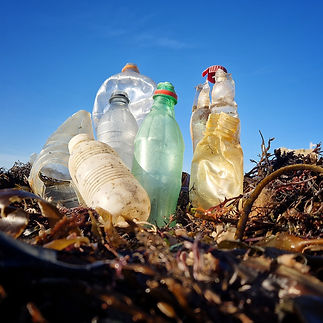
Recycled To Date
Rope & Net 384kg
Synthetic rubber 262kg
Angling Lead 36kg
Fishing Line 30kg
Bare hooks 148
Crab, lobster & whelk pots 16
Plastic 362kg
Polystyrene 40kg
Metal 65.5kg


Thanks to our partnership with ReAP UK, most beach litter can be recycled.
-
Rope & net
-
Rubber, including strips from lobster pots, goggles & snorkelling / diving masks, shoe soles, tennis and golf balls
-
Plastic - both hard and soft
-
Polystyrene
-
Fishing line, tackle and weights
-
Scrap metal
-
Vapes
-
Batteries
-
Whole aluminium cans
-
Dog toys
-
Crisp packets
All rubbish is sorted before collection. You can either drop your rubbish at an address which can be emailed to you or ask for a collection. Remember, fishing line, tackle and weights can also be disposed of in one of our Pipe Bins.
What happens to our beach litter afterwards?
-
Fishing line, tackle and weights are collected by Anglers National Line Recycling Scheme.
-
We clean all dog toys and donate them to RSPCA Mount Noddy in Eartham.
-
Vapes and batteries are dropped at one of the many recycling points around Selsey (including Co-op and Asda)
-
Whole aluminium cans are collected by Sidlesham Litter Pickers and scrapped for money which is then donated to St. Wilfrid’s Hospice.
-
ReAP UK partner with ReFactory and take the rest.
-
ReFactory specialise in making new products from material usually destined for waste.
Found Something Else?
Munitions? Dial 999 and ask for the Coastguard.
An item too heavy to move? Contact Chichester District Council on their website
A live seal, whale, dolphin or porpoise? Call the British Divers Marine Life Rescue on 01825 765546. Read this information and wait for trained Marine Mammal Medics to attend.
A dead dolphin / porpoise? Call Cetacean Strandings Investigation Programme (CSIP) hotline on 0800 652 0333. Provide as much information as possible about the location and condition of the animal. CSIP has produced a useful leaflet that can be downloaded by clicking here.